
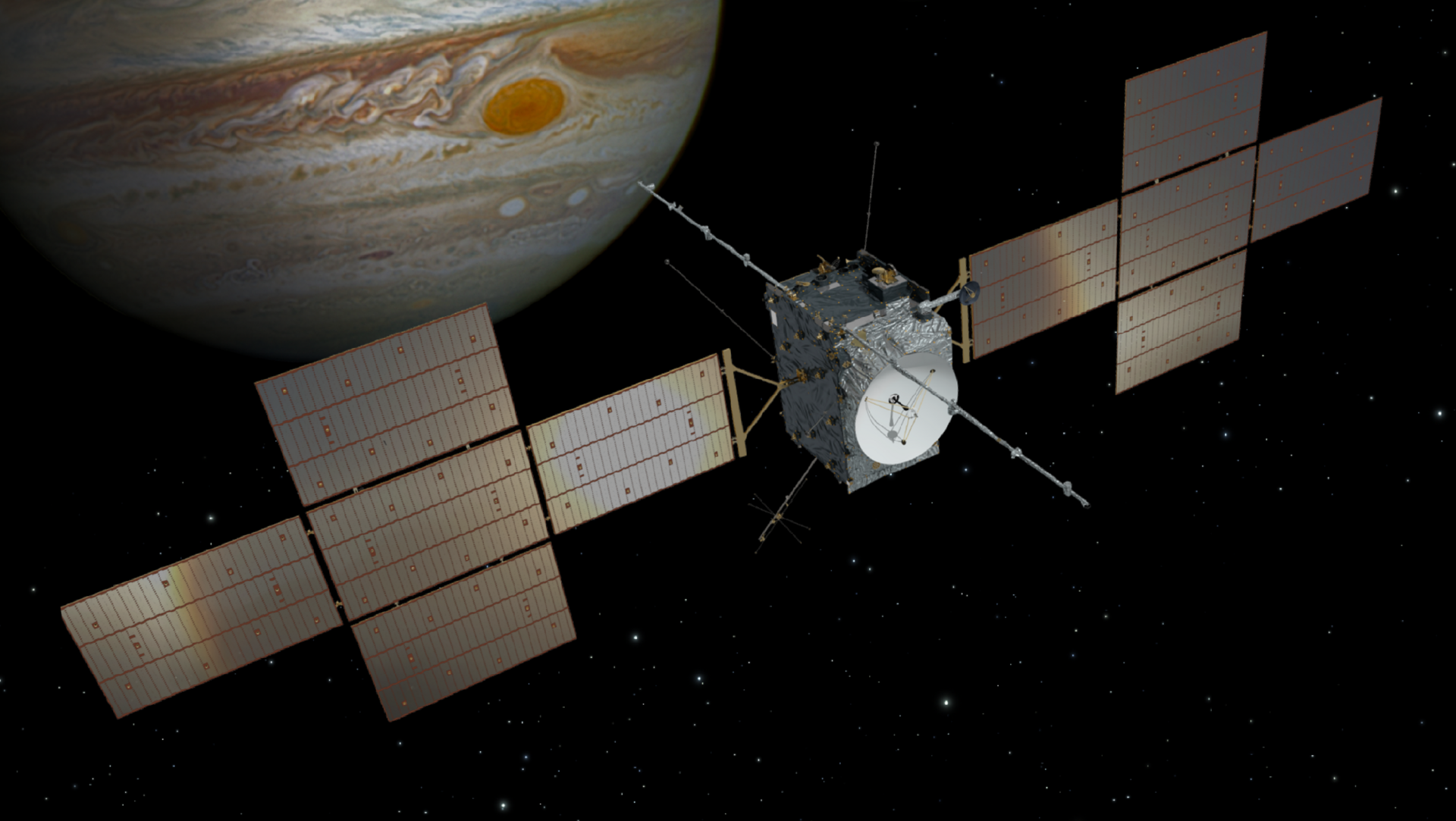
Space and planetary research is teamwork. This week, the Netherlands Space Office NSO, in collaboration with the Netherlands Organisation for Scientific Research (NWO), funded new projects that promote collaboration between Dutch researchers working on international space missions. The awarded projects help scientists strengthen their leading role in international space missions and further develop space knowledge […]
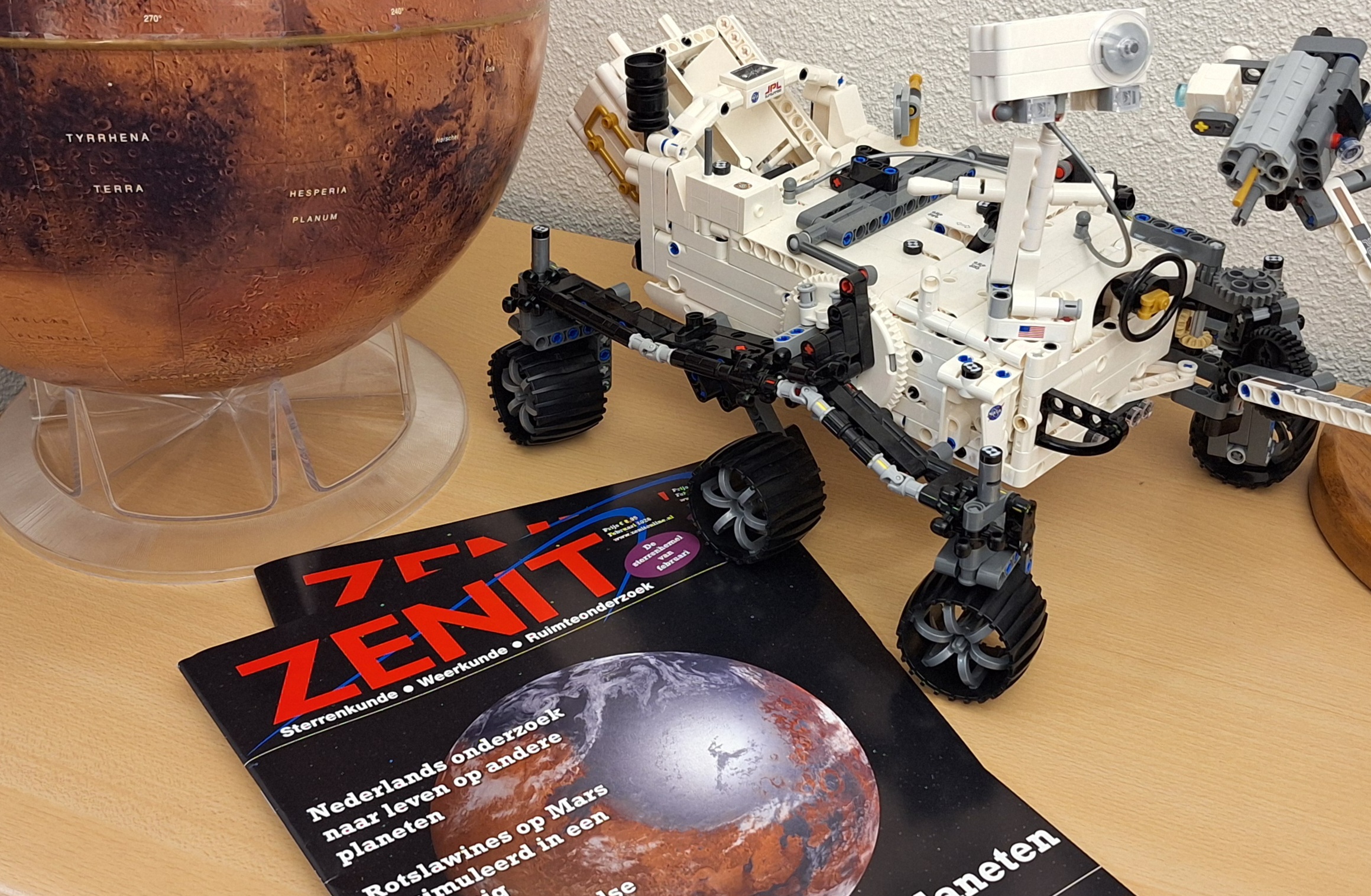
In the February issue of Zenit, the national magazine for astronomy, meteorology and space research in The Netherlands, you can read all about planetary habitability, the exciting science taking place within the expertise network and the NPP. The postdocs of the Expertise Network and their colleagues have jointly written various popular science articles in this […]
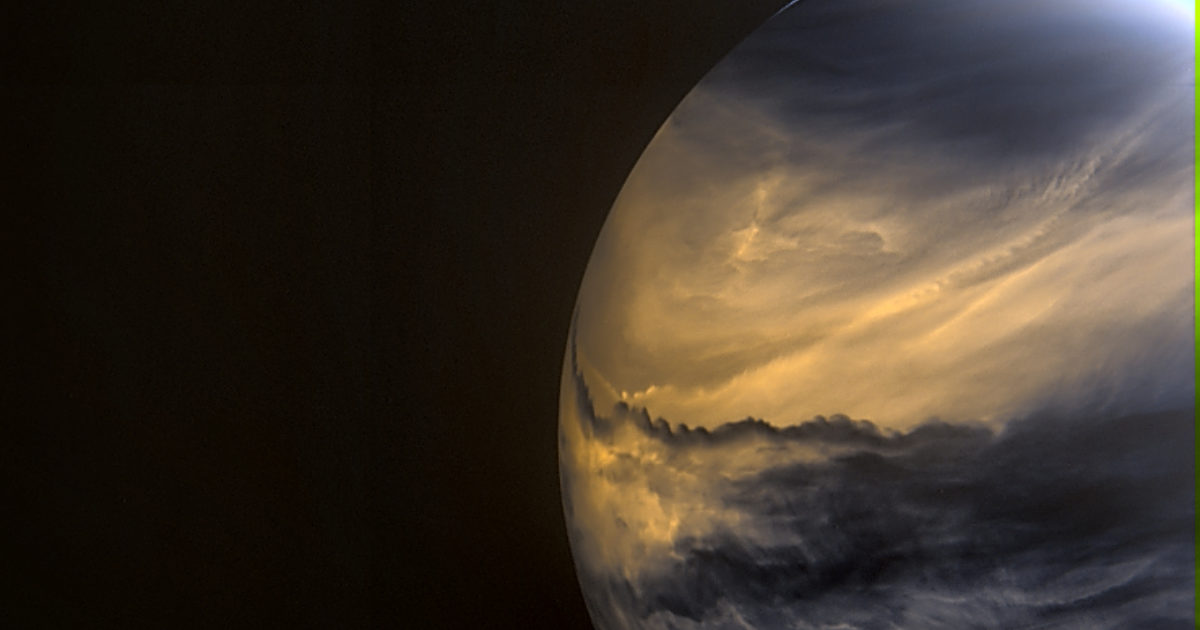
Funding from the 2025 programme “Use of space infrastructure for Earth observation and planetary research (GO)” will be divided among nine research projects focusing on two themes: Earth observation research and research into planets and other objects within our solar system. NSO and NWO (the Dutch Research Council) have granted more than €3.3 million to […]

The immense weight of Antarctic ice has pushed the land down, and as the ice melts, the Earth slowly rebounds. Due to this rebound, the ice margin is retreating slower and there is less ice in contact with the relatively warm ocean water, reducing ice melt rates. The uplift can be as much as 150 metres over […]

A new High Pressure/Temperature Laboratory for Planetary Materials has been commissioned at TU Delft as part of the Delft Planetary Labs of the Faculty of Aerospace Engineering. A state-of-the-art Anton Paar FRS 1800 gas-tight rheometer was installed, the fifth facility of its kind world-wide, and is now ready for use by dr. Edgar Steenstra and […]

Is life possible – or has it ever been possible – on other planets? The (Origin of) Life Marker Chip (LMCOOL) seeks the answer. This innovative chip is being developed by a Dutch consortium led by Dr Niels Ligterink of TU Delft, with funding from the NSO Instruments Programme. A Dutch-built instrument capable of detecting […]

Minerals are key indicators for habitable environments on rocky planets and they can be detected at multiple scales, from detailed lab measurements, to rocks at outcrops and by remote detection by satellites. But how are the signatures related across these contrasting measurement scales? During Summer 2025 a field team from the University Twente and TU […]

Several icy moons of Jupiter and Saturn harbour subsurface oceans potentially suitable for life. In contrast, our knowledge of Uranian moons is limited, as Voyager 2’s 1986 flyby remains the only visit. To improve our understanding, Dr Marc Rovira Navarro (TU Delft) has received a Veni grant from the Dutch Research Council (NWO) that will […]

Do mudflows and rock avalanches behave the same at lower gravity on Mars as here on Earth? To answer that question, earth scientist Dr Lonneke Roelofs of Utrecht University is conducting her research aboard the flying laboratory PH-LAB, TU Delft’s research and education aircraft. A globally unique experiment that can take place thanks to cooperation […]

The oceans of several moons orbiting Jupiter and Saturn are considered among the most promising environments for finding extraterrestrial life. Buried beneath kilometres of ice, the moons’ surfaces may carry crucial information about the oceans below. Dr. Stéphanie Cazaux has received an ERC Advanced Grant to study the interaction between the moons’ oceans and their […]

Analysing gravity data collected by spacecraft orbiting the moon reveals groundbreaking insights about the Moon’s deep internal structure without having to land on the surface. The study offers evidence that a warmer interior on the Moon’s near side compared to the far side created the conditions for volcanic activity, that may have lasted far longer […]

Stéphanie Cazaux and Niels Ligterink have received funding from NWO under the National Science Agenda (NWA) for their research project “The Search for Life on Icy Moons.” This project, part of NWA Route 15: Origins of Life – on Earth and in the Universe, focuses on how to sample material from the plumes escaping Enceladus’ […]

Edgar Steenstra from TU Delft has been awarded the Vening Meinesz Prize for Earth and Environmental Sciences. He receives the €10,000 prize for his innovative research on the formation and evolution of planets, particularly Venus and the Moon, as well as his role in international planetary missions. The award was presented on 20 March 2025 […]

TU Delft is expanding its space research capabilities with the launch of four new and upgraded Space Engineering laboratories. These state-of-the-art facilities will provide researchers, students, and industry partners with advanced tools to push the boundaries of space exploration, planetary science, and satellite technology. Each laboratory serves a distinct purpose, from simulating extreme planetary environments […]

A group of researchers from TU Delft and the Institute for Planetary Research of the German Aerospace Center have been able to the determinate the Mars’s interior structure and the age of the large ice sheet covering its north pole. They have published their findings in Nature. The team used the same geophysical trick on […]

The interdisciplinary research consortium PRELIFE has been awarded an NWA grant by the Dutch Research Council (NWO) to investigate the origin of life on Earth and in the universe, one of science’s greatest unsolved puzzles. The consortium will receive €6.7 million to explore this question and comprises scientists from sixteen universities and research institutes across […]